The emergence of decentralized exchanges (DEX): revolutionizing the world of cryptocurrency trade
In recent years, the world of cryptocurrency has suffered a significant transformation. Gone are the days of centralized exchanges (CEX) that controlled access to their platforms, commercial volumes and market data. The increase in decentralized exchanges (DEX) has interrupted this traditional model, offering merchants more flexibility, autonomy and transparency than ever.
What are decentralized exchanges?
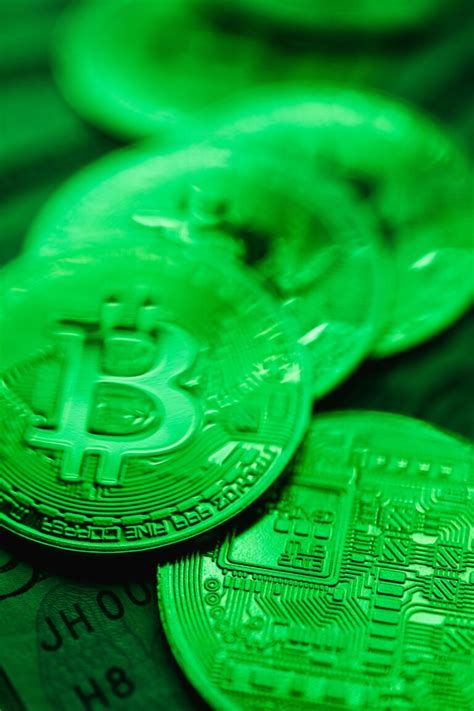
Decentralized exchanges, also known as DEXS, are online platforms that allow users to exchange cryptocurrencies directly with each other, without the need for a central authority. Unlike CEXS, which charge rates for trade, Dexs eliminates these costs completely through the use of intelligent contracts and peer transactions.
Dex operate in blockchain networks, using cryptographic techniques such as Ethereum ERC-20 standard for tokenized assets. These platforms allow users to buy, sell and exchange cryptocurrencies with each other without the need for intermediaries such as corridors or financial institutions.
The emergence of Dexs
In 2016, the first decentralized exchange, Parity.io, was launched by a group of developers in Hong Kong. Since then, the number of Dexs has grown exponentially, with many new platforms that arise every month. Some notable examples include:
* UNISWAP : A decentralized trade platform developed by the team behind the complex, UNISWAP is one of the most popular and successful DEX.
* Sushiswap : A bifurcation of UNISWAP, Sushiswap has gained popularity for its unique characteristics, such as the “Swap-As-You-Go” protocol.
* Curve Finance : A decentralized exchange with an approach to derivatives, Curve Finance has become a platform for high -risk merchants.
Impact on trade
The emergence of Dexs has had a significant impact on the world of cryptocurrency trade. Some key benefits include:
- Increased accessibility : DEX have facilitated people accessing and exchanging cryptocurrencies without the need to depend on traditional financial institutions.
- Lower rates : By eliminating intermediaries, DEX reduce transaction costs, which makes operations more affordable and accessible to a broader audience.
- Greater liquidity : Dex allow faster and more transparent transactions, which can lead to greater market efficiency and liquidity.
- New opportunities for commerce : Dex have created new markets and platforms that serve specific types of merchants, such as algorithmic, arbitrary and speculative merchants.
Benefits for merchants
The benefits of the use of dexs are numerous:
* Greater flexibility
: DEX allow users to exchange cryptocurrencies in real time, without the need for traditional intermediaries or financial institutions.
* IMPROVED TRANSPARENCE : DEX provide a more transparent environment for trade, with clear data and public access on the prices and liquidity of the market.
* Reduced risk : By eliminating intermediaries, DEX reduce the risk of breach of the counterpart and other market -related risks.
Challenges and concerns
While the Dexs have revolutionized the world of cryptocurrency trade, there are also several challenges and concerns:
- Safety risks : As with any online platform, the DEX are vulnerable to safety violations and piracy attempts.
- Regulatory uncertainty : The regulatory environment for Dexs continues to evolve, creating uncertainty for both users and developers.
- Scalability problems : Some dexs face scalability challenges, particularly when it comes to handling large volumes of trades.
Conclusion
The increase in decentralized exchanges has transformed the world of cryptocurrency trade, offering merchants more flexibility, autonomy and transparency than ever.