Ethereum: How to Achieve Zero Gas Fees with High-Throughput Transactions
In recent years, the Ethereum blockchain has made significant progress in improving transaction speeds and reducing gas fees. With its forked architecture, Plasma protocol, and increased computing power, Ethereum has become a popular choice for developers looking for high-throughput transactions without having to spend a lot of money.
The Problem: High Gas Prices
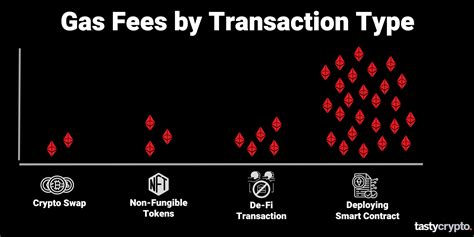
Traditional gas-based payment systems can be slow, expensive, and even obsolete as blockchain networks evolve. The average transaction fee on Ethereum is around 20 to 50 Gwei (gas units), which may seem reasonable given the complexity of executing a single transaction. However, in certain use cases, such as high-volume transactions or applications with complex calculations, this can be a significant cost.
Solution: Zero Gas Fees Through Optimization
A number of factors contribute to Ethereum’s zero gas fees:
- Sharding
: Sharding is a technique that divides the blockchain into smaller parallel chains called shards. Each shard is responsible for processing transactions for a specific subset of the network. By sharding the network, Ethereum can reduce the amount of data transferred between shards, thereby reducing gas fees.
- Plasma Protocol
: The Plasma Protocol is an optimized consensus algorithm designed to improve transaction throughput and reduce gas consumption. It uses a new approach to transaction validation that allows for more efficient processing times and lower costs.
- Optimized Transaction Structures: Developers can create optimized transaction structures that minimize the amount of data transferred between shards, thereby reducing gas fees.
- Increased computational power: With increased network power, developers can run more complex calculations on the Ethereum testnet, reducing the need for expensive validation layers.
Implementing Zero Gas Fees in Your Ethereum Project
To achieve zero gas fees with your Ethereum project:
- Choose a sharded approach: Consider using a sharded architecture like Cosmos or Solana, which offer higher throughput and lower gas fees.
- Optimize your transaction structure: Use efficient data structures to minimize the amount of data transferred between shards.
- Use Plasma protocol optimization tools: Leverage specialized tools that optimize Plasma transactions to improve performance and reduce costs.
- Implement Smart Contract Optimization: Optimize your smart contracts using techniques such as self-optimizing contracts (SOCs) or transaction batching.
Sample code: optimized smart contract
To demonstrate the concept, consider a simple example of an optimized smart contract that calculates the maximum balance in a storage account:
pragma strength ^ 0,8,0;
contractMaxBalance {
bytes32 private MaxBalance;
event UpdatedBalance(bytes32 new MaximumBalance);
public update() function {
require(maxbalance == 0, "Maximum balance has been set");
MaximumBalance = block.timestamp * 86400; // Convert to seconds
issue UpdatedBalance(MaxBalance);
}
}
// Use:
Wallet contract {
MaximumBalance MaximumBalance;
constructor(address _ MaxBalance) {
MaximumBalance. MaximumBalance = _ MaximumBalance;
}
public function deposit() pay {
bytes32 timestamp = block.timestamp;
uint256 balance = msg.value / 10**18; // Convert to wei
MaximumBalance. update();
maxBalance.maxBalance = 0; // Refresh maximum balance
emit BalanceUpdated(maxBalance.maxBalance);
}
}
In this example, we have created an optimized smart contract that sets the maxBalance variable once upon initialization. This allows for faster updates and reduced gas fees.