Ethereum Virtual Machine: Unlock full potential Ethereum
In 2014, the world was introduced in a decentralized application (DAPP) concept blockchain. A year later, the Ethereum Virtual Machine (EVM) was launched, creating a revolution as the DAPP built, distributed and communicated. EVM is the heart of the Ethereum ecosystem, which allows a wide range of innovative use, transformed into digital landscapes.
What are virtual machines Ethereum?
Ethereum Virtual Machine (EVM) is a software platform that fulfills smart contracts and simply fulfills the contract with Blockchain’s executive rules. This allows developers to create decentralized applications (DAPPs) on the Ethereum network without the need for intermediaries such as wallets, exchange or payment processors.
EVM consists of several components:
1
Gas : Computer Energy and Energy Consumption Measurement Unit.
- Modules : Previously built features that can be collected to create complex contracts.
3
Accounts : Temporary variable storage, such as transaction information.
- Country : The current state of the contract environment.
Ethereum’s main features virtual machine
EVM has several key features that make it an ideal platform for decentralized applications:
- Decentralized : No entity controls the network or fully controls the contract agreement.
- NON -VIGILANT : When the transaction is issued, it cannot be modified or changed.
3
Transparent : All transactions are recorded in a real -time blockchain.
- Scalable : EVM can process large amounts of data and complex calculations without significant performance degradation.
How does the Ethereum virtual machine work?
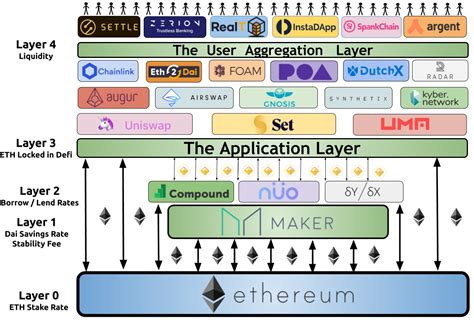
EVM executes contracts using the procedure called “Current Church Check” (SVC). This includes:
1
The validation of the transaction : Each transaction checks the network node to make sure it is valid and complies with the terms of the contract.
- Agreement Fulfillment : Then the contract is executed by Ethereum Mainnet using a call and module combination.
3
National Update : The result of the contract is updated in real time, ensuring that all stakeholders have access to the right position.
DEPP development and implementation
EVM allowed developers to create a wide range of decentralized applications, including:
1
Smart Agreements
: Self -test contracts with the rules implemented by blockchain.
- Decentralized finances (dead) : Ohi, borrowing and trade cryptocurrency.
3
Playing : Decentralized games on the Ethereum network.
To arrange DAPP EVM, developers use different tools and frames including:
1
Power : High -level programming language to write smart contracts.
- Suite Triffle : Sube tool maintenance in test, testing and implementation of DAPP.
3
Hyperledger Fabric : Open application platform based on blockchain.
Conclusion
The Ethereum virtual machine was crucial to the Ethereum’s ecosystem design, as it is today. Its decentralized nature, constitutional, transparency and scalability allowed a wide range of innovative uses transformed by the digital landscape. As the Ethereum network continues to develop, the EVM remains in the center of its ecosystem, launching new opportunities for developers and users.
Future Development
EVM Future is likely to form several trends:
1
Investment : Investment rising importance as a way to earn reward on the Ethereum network.
- Collaboration : Need for essence with other blockchain networks such as Polish and Space.
3.