“Crypto Market Transactions Fees Explained and Their Impact on Economy”
The world of cryptocurrency has been experiencing rapid growth in recent years, with millions of people around the globe investing in these digital assets. One of the key factors that has contributed to this growth is the increasing use of transaction fees in the crypto market. In this article, we will delve into the concept of transaction fees, their effects on economic indicators, and the liquidation process.
What are Transaction Fees?
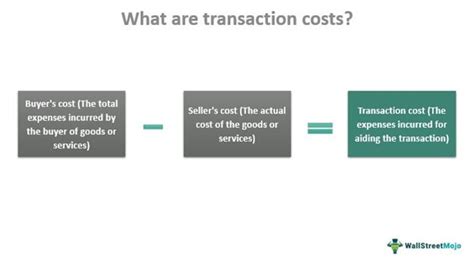
Transaction fees are charges levied by cryptocurrency exchanges, wallets, and other payment processors for each transaction made on a blockchain network. These fees can range from a few cents to several dollars per transaction, depending on the platform’s design and the specific use case.
For example, when a user sends 1 BTC (Bitcoin) to another user’s wallet, they may be charged a small fee by the exchange or wallet provider for processing the transaction. This fee is then deducted from the sender’s account, leaving them with less cash.
Economic Indicators and Transaction Fees
Transaction fees have become an essential component of the cryptocurrency market, influencing economic indicators such as inflation rates, interest rates, and GDP growth. Here are some key ways in which transaction fees impact economic indicators:
- Inflation: Higher transaction fees can lead to higher prices for goods and services, as businesses pass on the costs of processing transactions to consumers. Conversely, lower transaction fees can reduce prices and make it easier for consumers to afford goods.
- Interest Rates: Transaction fees also influence interest rates in the digital economy. As interest rates rise, transaction fees tend to decrease, making it cheaper for individuals and businesses to send money across borders.
- GDP Growth: The cost of processing transactions can have a significant impact on GDP growth. Higher transaction fees can lead to decreased economic activity and reduced consumer spending power.
Liquidation: A Process in Cryptocurrency Market
When a cryptocurrency market experiences extreme volatility or a sudden crash, liquidity may dry up, leading to a situation known as “liquidation.” Liquidation occurs when an exchange or other entity is unable to meet customer withdrawals due to insufficient funds or lack of confidence in the asset.
In such situations, the exchange may sell off assets at depressed prices to realize profits. This can lead to a sharp decline in the value of cryptocurrencies, causing significant losses for investors who had previously purchased them.
Example: The 2017 Crypto Market Crash
The 2017 crypto market crash was one of the most significant examples of liquidation in recent history. Following the rise of Bitcoin and other major cryptocurrencies, prices plummeted as investors realized that their holdings were no longer valued at face value.
As a result, many exchanges experienced liquidity issues, leading to widespread sell-offs. In some cases, exchanges were forced to sell off assets at significantly lower prices than they had initially listed them for, resulting in huge losses for investors.
Conclusion
Transaction fees are an essential component of the cryptocurrency market, influencing economic indicators such as inflation rates and interest rates. The liquidation process can be triggered by extreme market volatility or sudden crashes, leading to significant losses for investors. Understanding these factors is crucial for traders, investors, and policymakers looking to navigate the complex world of cryptocurrencies.
By recognizing the impact of transaction fees on economic indicators and the liquidation process, we can better prepare ourselves for future market fluctuations and make more informed decisions about our investments in the crypto space.