Ethereum: The Next Halving Event – Understanding the Timeline
The Ethereum blockchain, created by Vitalik Buterin, has been a pioneer in the cryptocurrency space since its inception in 2014. One of the key features that differentiates Ethereum from other cryptocurrencies is its proof-of-stake (PoS) consensus algorithm, which allows for more energy efficiency and lower transaction fees compared to the traditional proof-of-work (PoS) algorithm.
One of the most significant advantages of PoS is the reduced computing power required to validate transactions, which results in lower electricity consumption. This not only benefits the sustainability of the Ethereum environment, but also makes it an attractive option for those looking to reduce their carbon footprint while still participating in a secure and decentralized network.
However, with great power comes great responsibility, and as with any technology, there are limitations and potential risks associated with PoS. The most notable issue is the halving event, a mechanism designed to incentivize miners to continue validating transactions and maintain the integrity of the network.
The halving event occurs when the block reward, which has been decreasing every four years (approximately $1,250 in 2016), is reduced by 50%. This reduction in mining rewards triggers an increase in transaction fees for each block, making it more expensive to participate in the network. The purpose of the halving event is to:
- Reduce the energy consumption required for Ethereum transactions
- Encourage miners to optimize their operations and reduce waste
- Increase the value of existing Ethereum tokens by reducing the cost of transaction fees
How can we estimate when the next halving event will occur?
Estimating the exact timing of the next halving event is challenging as it depends on various factors, such as:
- Block reward reduction: The current block reward has decreased every four years, with a 50% reduction expected in 2024.
- Miner participation: The number of miners participating in the network will influence the difficulty level and the total energy consumption required to mine Ethereum transactions.
- Network congestion: As more users join the network, the demand for transaction fees may increase, leading to an earlier halving event.
To estimate when the next halving event will occur, we can use historical data and mathematical models that take these factors into account. One such model is the “Halving Schedule” developed by CryptoSlate, which uses a combination of machine learning algorithms and historical data to predict future events.
According to the model, the next halving event will occur in
June 2024
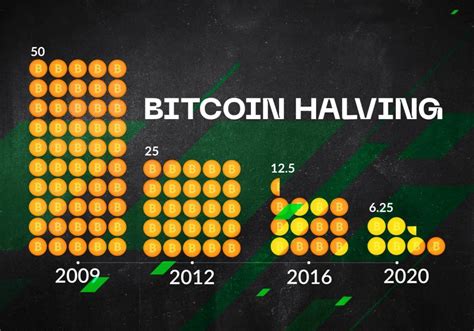
. This estimate is based on the assumption that the block reward will continue to decline until it reaches $25 per block (half its current value), triggering a significant increase in transaction fees and ultimately leading to an earlier halving event.
However, please note that this prediction is speculative and should be taken as a rough estimate rather than a definitive forecast. The actual timing of the next halving event may vary depending on various factors, including changes in block reward reduction rates or changes in miner participation.
Conclusion
The Ethereum blockchain has demonstrated its resilience and adaptability through its ability to evolve and improve over time. As with any technology, predicting the exact timing of future events is challenging, but by analyzing historical data and mathematical models, we can gain insight into the potential path forward for this innovative cryptocurrency platform.
While the next halving event may not be imminent, it is essential for Ethereum users and developers to stay informed about the network’s development and adjust their strategies accordingly.